

Richmond Fair Rent, Just Cause for Eviction, and
Homeowner Protection Ordinance (Chapter 11.100)
If you own rental property in the City of Richmond, you are operating within a highly restrictive and heavily monitored regulatory environment governed by Richmond Municipal Code Chapter 11.100. Known formally as the Fair Rent, Just Cause for Eviction, and Homeowner Protection Ordinance, this dense legislation dictates exactly how much you can raise the rent, who you can evict, and the severe financial penalties for technical non-compliance. Attempting to manage a Richmond property or execute an eviction without a flawless understanding of this ordinance is a guaranteed path to a dismissed lawsuit, mandatory rent rollbacks, and massive wrongful eviction damages.
At our firm, we help Richmond property owners navigate the Rent Board’s rigid framework, defend their investments, and execute lawful, bulletproof evictions in Contra Costa County.
The History: From Measure L to Measure P
To understand how to operate under the Richmond Rent Ordinance, you have to understand its aggressive evolution. In November 2016, a majority of Richmond voters passed Measure L, stripping away decades of landlord autonomy and establishing a powerful local Rent Board to monitor and enforce strict new housing regulations. However, the regulatory landscape shifted again in the 2022 General Election with the passage of Measure P. This modern amendment drastically tightened the financial restrictions on landlords, significantly reducing the permitted annual rent increases and permanently cementing Richmond as one of the most heavily regulated rent control jurisdictions in the Bay Area.
How Richmond Stands Apart in the Bay Area
While neighboring jurisdictions have complex laws, Richmond stands apart due to its mandatory “Written Warning Notice” requirement for at-fault evictions. In most California cities, if a tenant is causing a severe nuisance or blatantly breaching their lease, a landlord can immediately serve a 3-Day Notice to Quit. In Richmond, doing so will guarantee your lawsuit is thrown out. Under R.M.C. Section 11.100.050, before a landlord can proceed with terminating a tenancy for a breach of the lease, a nuisance, or failure to give access, they must first serve the tenant with a formal Written Warning Notice. This notice must outline the specific issue and provide the tenant with a reasonable amount of time to correct their behavior. Only if the tenant fails to comply with this warning can the actual eviction notice be served.

The Two Pillars: Rent Control vs. Eviction Control
The biggest mistake Richmond landlords make is confusing rent price caps with eviction protections. They are two distinct pillars of Chapter 11.100, and they divide Richmond properties into “Fully Covered” and “Partially Covered” units.
Pillar 1: Rent Control (Price Caps)
If your multi-unit building was constructed on or before February 1, 1995, it is a “Fully Covered” unit subject to Richmond’s strict rent control caps. You cannot raise the rent arbitrarily to market rate. Your annual rent increase is strictly limited to the Annual General Adjustment (AGA). Following the passage of Measure P, the AGA is no longer tied to the full inflation rate; it is severely capped at either sixty percent of the Consumer Price Index or three percent, whichever is lower. Furthermore, you are completely barred from imposing any rent increase if you have failed to properly enroll your property, register the tenancy, or pay your mandatory Residential Rental Housing Fee to the city.
Pillar 2: Eviction Control (Just Cause)
Even if you own a “Partially Covered” unit that is exempt from rent caps under state law—such as a newly constructed unit, a single-family home, or a condominium—you are still bound by Richmond’s strict eviction controls. You cannot simply ask a tenant to leave because their lease expired. To recover possession of your property, you must legally prove one of the eight specific “Just Causes” enumerated in the municipal code.
The 8 “Just Causes” for Eviction (And The Traps Within)
Under Section 11.100.050, a landlord cannot recover possession of a rental unit unless they can establish an At-Fault or No-Fault Just Cause.
“At-Fault” Evictions (The Tenant Did Something Wrong)
These evictions stem from a tenant’s direct actions, including the failure to pay rent, a material breach of the lease, committing a nuisance, or refusing to grant the landlord lawful access. As noted above, landlords must beware of the Written Warning Notice trap. If your eviction is based upon a lease breach, nuisance, or failure to provide access, you must not only provide the warning notice first, but you must physically attach all prior written warnings to your final termination of tenancy notice, or your eviction will be deemed defective on its face.
“No-Fault” Evictions (You Need the Property Back)
If the tenant has done nothing wrong, reclaiming your property requires navigating a legal minefield. The permitted no-fault causes include Owner Move-Ins, temporarily vacating to undertake substantial repairs, or withdrawing the unit entirely from the rental market under the Ellis Act. Executing any no-fault eviction in Richmond requires exhaustive documentation, the filing of specific Tenant Assertion Forms, and massive mandatory relocation payments to the displaced tenants to cover their moving costs and rent differentials.
The Richmond Unlawful Detainer Roadmap
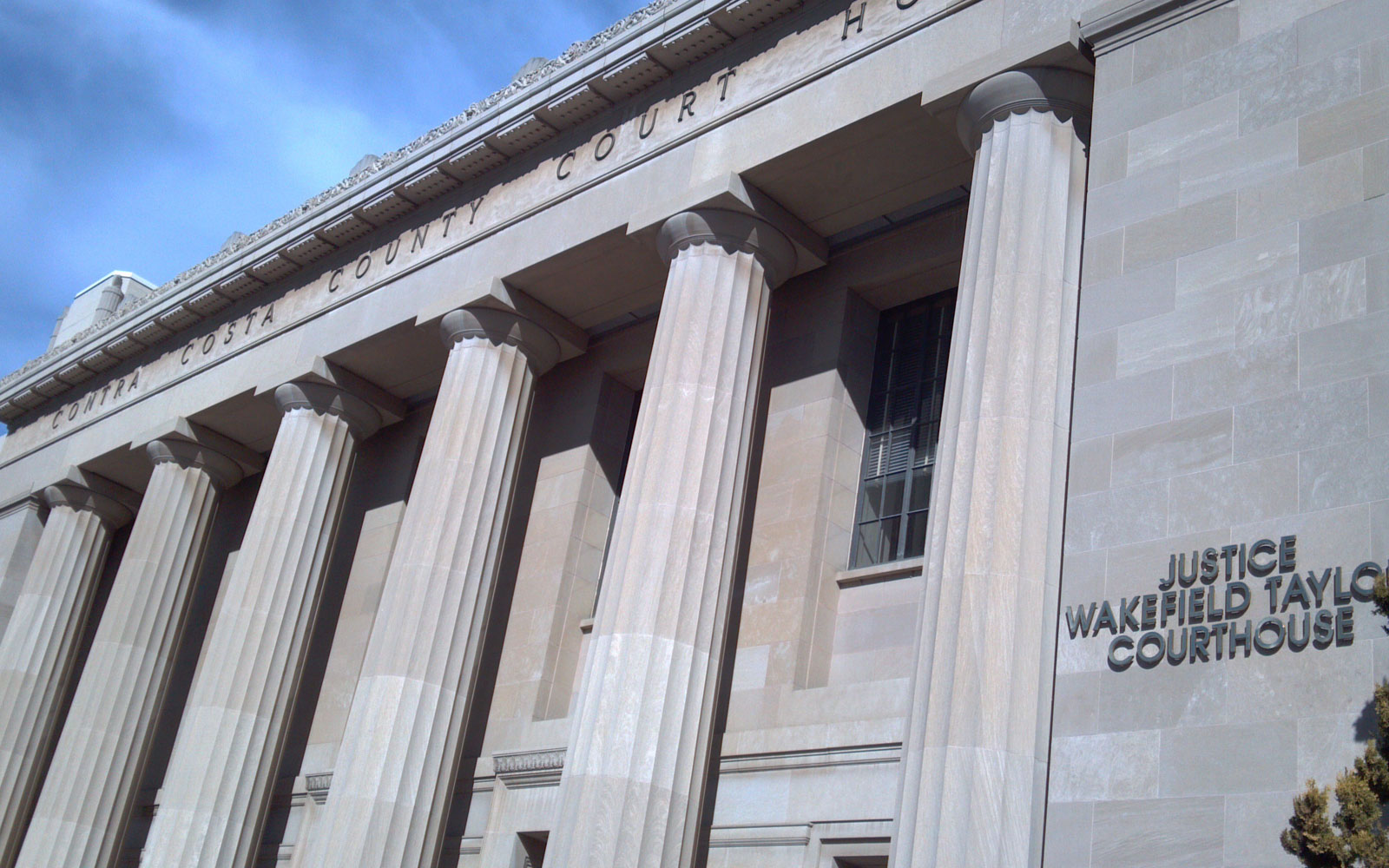
When negotiations fail, property owners must navigate the Contra Costa County Superior Court to reclaim their property. A California Unlawful Detainer is a highly technical summary proceeding requiring absolute perfection. Below is the standard procedural roadmap for a Richmond eviction.
Step 1: Drafting and Serving the Termination Notice
A standard California eviction form printed from the internet will not survive in a Richmond courtroom. Your notice must explicitly state the specific Chapter 11.100 Just Cause you are alleging. If the eviction requires prior warning notices, they must be perfectly integrated into the document. Furthermore, if you are attempting a no-fault eviction like a substantial repair or owner move-in, the notice packet must include a formal Notice of Entitlement to Relocation Assistance and exact copies of all required municipal permits.
Step 2: The Richmond 2-Day Filing Mandate (The Fatal Trap)
This is the single most common step where unrepresented Richmond landlords fail. Serving the tenant is only half the battle. Under Richmond Rent Board Regulations, a landlord must file a complete copy of the termination notice, along with a signed Proof of Service, directly with the Richmond Rent Board within two business days after serving the tenant. Failure to file these documents with the City of Richmond on time creates an absolute defense for the tenant at trial.
Step 3: Filing the Unlawful Detainer Complaint (UD-100)
Once the notice period expires, the formal lawsuit begins. You must draft and file a Summons (SUM-130) and an Unlawful Detainer Complaint (UD-100) at the Contra Costa County Superior Court. The complaint must be perfectly verified, attach all underlying lease documents and warning notices, and explicitly plead your compliance with the Richmond Rent Ordinance, including your tenancy registration status and fee payments. Once the court issues the Summons, a registered process server must physically serve the tenant.
Step 4: The Tenant’s Answer and Requesting a Trial
Under California law, a tenant has exactly five court days to respond to the lawsuit after being served. In Richmond, tenants are swiftly connected with aggressive, highly funded legal aid organizations that will immediately file a formal Answer (UD-105). Once the Answer is filed, the landlord must immediately file a Request to Set Case for Trial (UD-150) to force the Contra Costa County court to schedule a trial date.
Step 5: Securing the Writ and the Sheriff Lockout
If you secure a Judgment for Possession at trial, a judgment alone does not allow you to physically remove the tenant. You must take that judgment to the court clerk to issue a Writ of Execution. You then deliver this Writ to the Contra Costa County Sheriff’s Office, who will post a final 5-day Notice to Vacate on the property. If the tenant refuses to leave, the Sheriff will return to physically perform the lockout and restore possession to you.
The Reality of Modern Richmond Evictions
The roadmap above represents the easiest possible scenario—a straight line from a notice to a lockout. In modern Richmond real estate litigation, that straight line almost never exists.
This roadmap is entirely barebones and does not scratch the surface of the intricacies involved in a modern Unlawful Detainer case in Contra Costa County. Because tenants are heavily represented by skilled defense attorneys, your lawsuit will immediately be met with aggressive stalling tactics. Tenants will file Demurrers to challenge the technical validity of your complaint. They will propound heavy, burdensome legal discovery requiring you to produce years of property records under tight deadlines. They may attempt to evade service of the initial lawsuit entirely, or they may assert retaliatory eviction as a defense, putting your property and finances at severe risk.
To deal with these aggressive intricacies, you cannot rely on generic advice or outdated forms. You need dedicated, strategic legal counsel fighting for your property rights.
Consult with our office today to secure your investment by calling (510) 443-8100 or by scheduling a consultation by clicking BELOW.