

Santa Clara County Superior Court: A Real Estate Litigation Guide
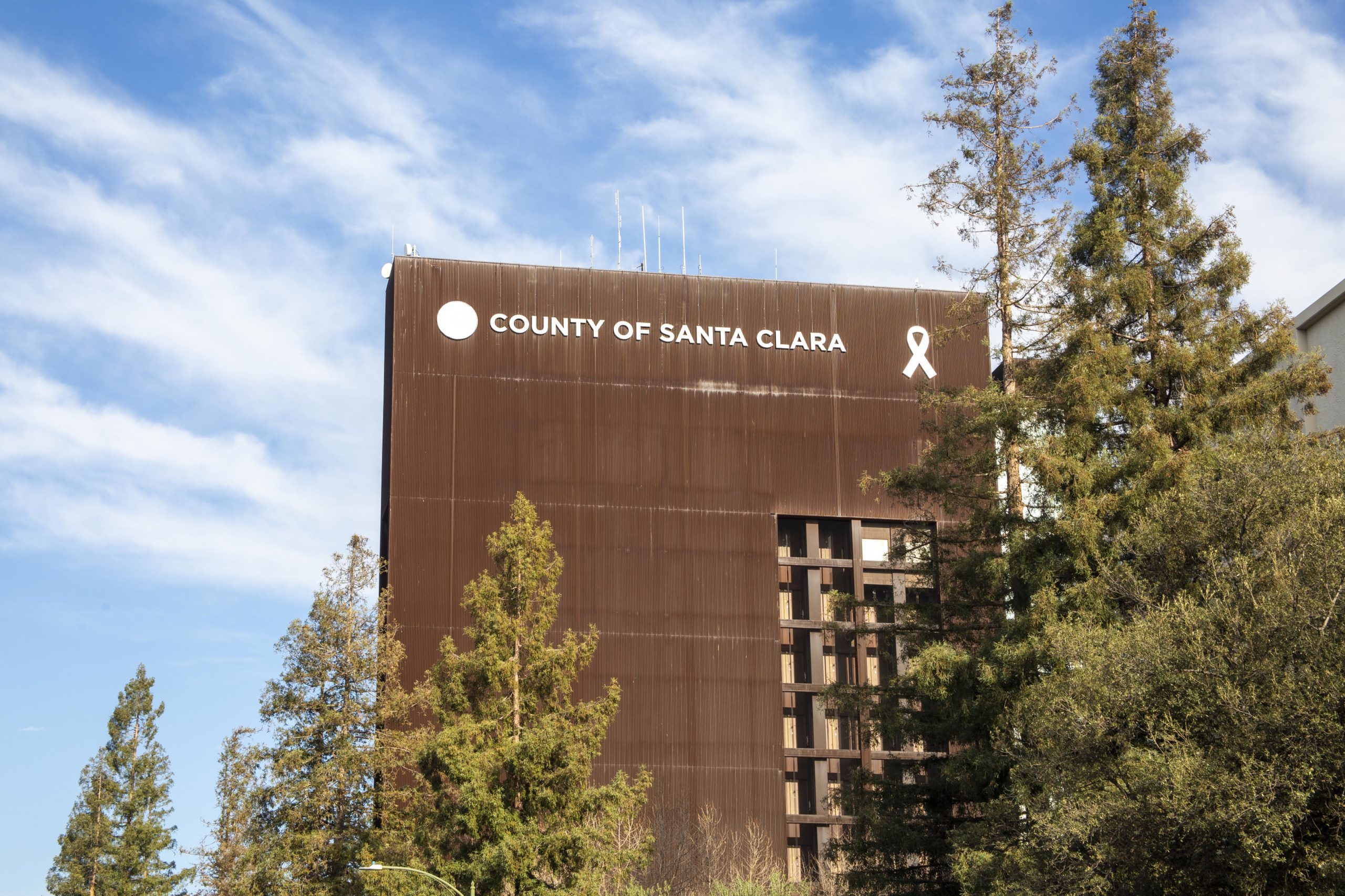
If you are litigating a high-stakes real estate dispute, a commercial lease breach, or a complex partition action in Silicon Valley, your battleground is the Santa Clara County Superior Court. General civil and complex litigation in this jurisdiction is centralized at the Downtown Superior Court (DTS) in San Jose. Handling the massive volume of high-net-worth property disputes generated by the tech capital of the world, this venue is renowned among California litigators for its highly formalized e-filing protocols, aggressive case management timelines, and strict adherence to procedural perfection.
Having a valid legal claim or a pristine contract is only the baseline requirement for success in San Jose. To actually win, a litigator must flawlessly navigate the court’s strict local Case Management protocols, unique formatting requirements, and unforgiving pre-trial mandates. A single procedural misstep—such as failing to format an electronic exhibit correctly or missing a strict afternoon phone call deadline—can result in your critical motions being summarily denied, your evidence being excluded, or your claims being dismissed entirely.
We help property owners, investors, and businesses cut through the procedural red tape, overcome aggressive opposing counsel, and successfully litigate their complex real estate disputes at the Santa Clara County Superior Court.
The Tentative Ruling: The 4:00 PM Deadline
Like many Bay Area courts, Santa Clara utilizes a tentative ruling system for civil law and motion matters to streamline its congested docket. However, the timeline to contest these preliminary decisions is notoriously tight and aggressively enforced by the judges at the Downtown Superior Court.
Once the judge publishes their tentative ruling on a complex real estate motion the afternoon before the scheduled hearing, the clock immediately starts ticking. If a client receives an unfavorable tentative ruling, their legal team has an incredibly narrow window to mount a defense. The attorney must formally notify both the specific department’s clerk and the opposing counsel by exactly 4:00 PM that same afternoon of their intent to appear and contest the ruling in person. If your attorney misses this 4:00 PM deadline by even a single minute, the right to oral argument is completely and irrevocably waived. The judge’s preliminary decision automatically becomes the final, binding order of the court. For clients, this dictates a hyper-responsive litigation strategy; your legal team must anticipate the judge’s reasoning and be prepared to pivot immediately the afternoon before your hearing.
Mandatory E-Filing and the PDF/A Anomaly
While almost all California courts have transitioned to electronic filing, Santa Clara imposes its own strict technological mandates that can easily trap an out-of-town attorney or an unrepresented party. All civil filings in Santa Clara must be submitted through an approved electronic service provider, but the clerk’s office is exceptionally rigid regarding formatting.
Under the local rules, it is not enough to simply upload a standard PDF. Santa Clara actively prefers and enforces the use of searchable “PDF/A” formatting—an archival-grade file standard. Furthermore, every single exhibit attached to a real estate motion—whether it is a preliminary title report or a voluminous commercial lease—must be separated by a single page with a title identifying the sequence and must be perfectly digitally bookmarked. The clerks in San Jose are notoriously meticulous; if a summary judgment motion contains a hundred pages of un-bookmarked property records or fails the optical character recognition (OCR) test, the system will reject the filing. In a high-stakes lawsuit, a rejected filing can mean blowing a statute of limitations or missing a fatal court deadline.
The Aggressive ADR and Case Management Acceleration
Santa Clara County operates under a judicial culture that aggressively pushes civil litigants to resolve their disputes before taking up valuable trial time. The court enforces strict Case Management Conference (CMC) protocols aimed at diverting real estate disputes away from a jury and into Alternative Dispute Resolution (ADR) as early as possible.
Under the local rules, parties are heavily pressured to stipulate to formal mediation, binding arbitration, or the court’s early settlement program long before discovery is fully completed. For clients, this means you will likely be sitting across a mediation table from heavily funded opposing counsel earlier in the litigation lifecycle than in neighboring counties. The court expects the actual decision-makers, equipped with full settlement authority, to actively participate in these sessions. Navigating this mandated ADR process requires a litigator who understands the true trial value of your property dispute, knows how to leverage early discovery to expose the weakness in the opposition’s case, and will fiercely protect your bottom line under pressure.
Secure Your Advantage at the Downtown Superior Court
Operating inside the San Jose courthouse requires a deep understanding of local judicial preferences, strict technological filing mechanisms, and the aggressive strategies employed by top-tier Silicon Valley civil defense firms. You cannot afford to learn these local rules through trial and error when your commercial investments or property boundaries are on the line.
You need dedicated, strategic legal counsel fighting for your property rights from the moment your initial complaint is filed to the final judgment.
Consult with our office today to secure your investment by calling (510) 443-8100 or by scheduling a consultation BELOW.