

Alameda County Superior Court: A Real Estate Litigation Guide
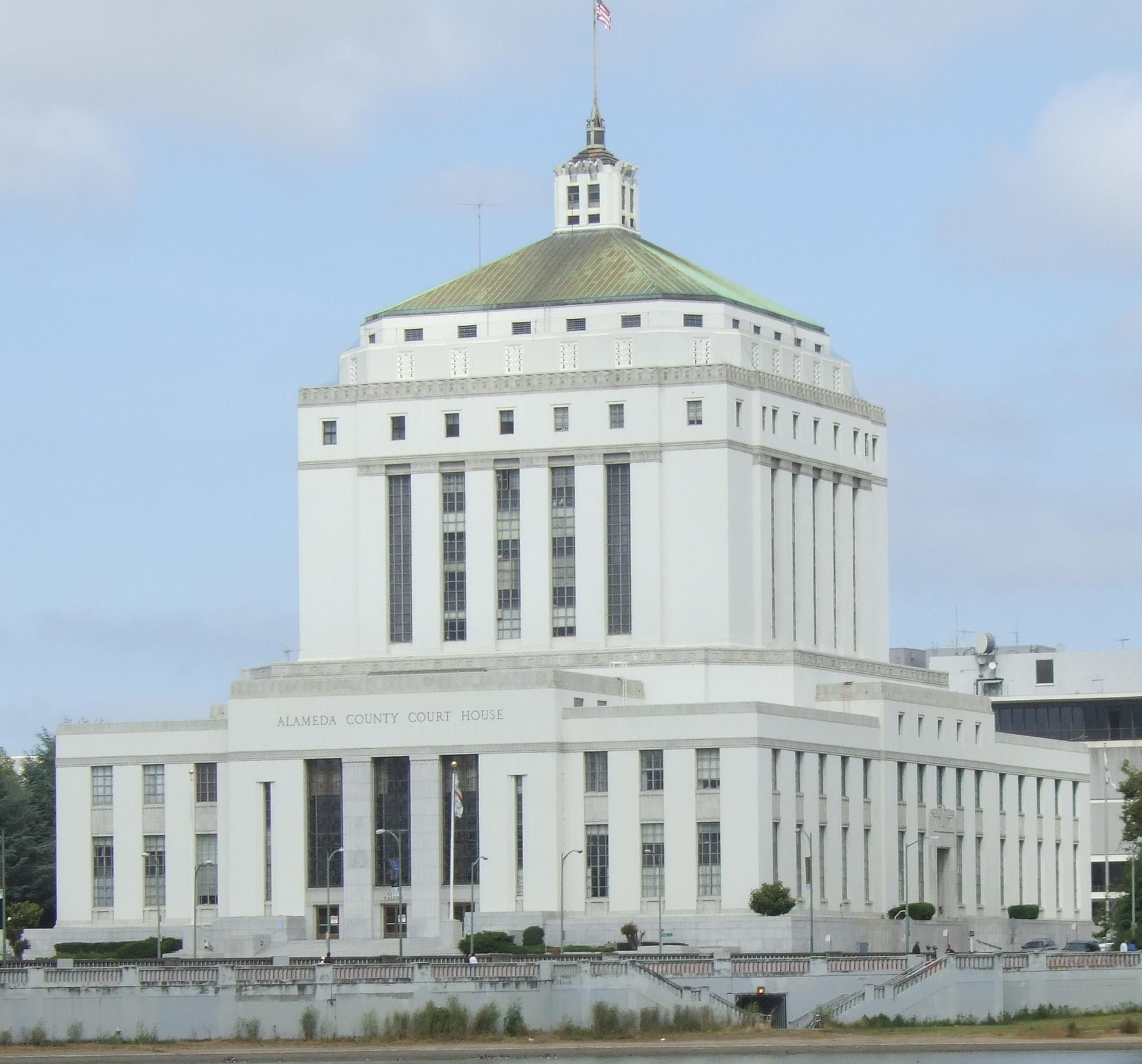
If you are embroiled in a high-stakes real estate dispute, a partition action, or a complex breach of contract lawsuit in the East Bay, your battleground is the Alameda County Superior Court. General civil and real estate litigation in this jurisdiction is primarily divided between the historic René C. Davidson Courthouse in downtown Oakland and the Hayward Hall of Justice. This court system handles a massive, highly congested civil docket and is renowned among California litigators for its strict administrative bottlenecks and unforgiving pre-trial procedures.
Having a valid legal claim or a pristine contract is only the baseline requirement for success in Alameda County. To actually win, a litigator must flawlessly navigate the court’s highly idiosyncratic local rules, specialized scheduling mandates, and unique case management expectations. A single procedural misstep—such as failing to secure a digital reservation before filing a motion or missing a strict afternoon phone call deadline—can result in your critical hearing being canceled, your case being delayed for months, or your claims being dismissed entirely.
We help property owners, investors, and businesses cut through the procedural red tape, overcome aggressive opposing counsel, and successfully litigate their complex real estate disputes at the Alameda County Superior Court.
The eCourt Reservation
One of the most dangerous operational hurdles in Alameda County is not necessarily how you file a document, but how you secure permission to be heard by a judge.
While many Bay Area courts allow an attorney to simply electronically file a motion and have the clerk assign a hearing date, Alameda County stands apart. Under Alameda County Local Rules, the court mandates the use of the proprietary eCourt Public Portal reservation system. Before an attorney can file a substantive motion in a real estate dispute—such as a Motion for Summary Judgment or a Demurrer—they must log into the portal, compete with hundreds of other law firms, and purchase a specific hearing reservation slot months in advance.
If an unrepresented party or an out-of-town attorney attempts to e-file a civil motion without first securing and attaching this specific reservation receipt, the filing will be summarily rejected by the clerk. In a high-stakes real estate lawsuit, where stopping a foreclosure or blocking an unlawful construction project requires immediate judicial intervention, failing to navigate this reservation bottleneck can mean missing a fatal deadline and losing your property rights before you ever step foot in a courtroom.
The 4:00 PM Tentative Ruling Mandate
Perhaps the most unforgiving procedural trap in Alameda County civil litigation is the court’s strict adherence to the tentative ruling system. In this jurisdiction, judges do not wait until the day of the hearing to review the evidence and make a decision. Instead, they publish a “tentative ruling” online the afternoon before the scheduled court date.
Under Alameda County Local Rule 3.30, if a client receives an unfavorable tentative ruling, their legal team has an incredibly narrow window to fight back. The attorney must formally notify both the court clerk and the opposing counsel by exactly 4:00 PM that same afternoon of their intent to appear and argue the matter in person the next morning. If your attorney misses this 4:00 PM deadline by even one minute, the right to oral argument is completely waived, and the judge’s preliminary decision automatically becomes the final, binding order of the court. For clients, this means your litigation team must be hyper-vigilant, highly responsive, and intimately familiar with the specific department’s posting schedule to ensure your voice is actually heard.

Aggressive Alternative Dispute Resolution (ADR)
Alameda County operates under a judicial culture that aggressively pushes civil litigants to settle before taking up valuable trial time. Unlike jurisdictions that allow lawsuits to idle, Alameda judges enforce strict Case Management Conference (CMC) protocols aimed at diverting real estate disputes away from a jury and into Alternative Dispute Resolution (ADR).
Under the local rules, parties are heavily pressured to stipulate to formal mediation or binding arbitration early in the litigation lifecycle. For clients, this means you will likely be sitting across a mediation table from heavily funded opposing counsel long before a trial date is ever set. The court expects the actual decision-makers, equipped with full settlement authority, to actively participate in these sessions. Navigating this mandated ADR process requires a litigator who understands the true trial value of your property dispute, knows how to leverage the discovery process to expose the weakness in the opposition’s case, and will fiercely protect your bottom line under pressure.
Secure Your Advantage at the Alameda Superior Court
Operating inside the René C. Davidson Courthouse or the Hayward Hall of Justice requires a deep understanding of local judicial preferences, strict filing mechanisms, and the aggressive strategies employed by top-tier civil defense firms. You cannot afford to learn these local rules through trial and error when your real estate investments are on the line.
You need dedicated, strategic legal counsel fighting for your property rights from the moment your lawsuit is drafted to the final judgment.
Consult with our office today to secure your investment by calling (510) 443-8100 or by scheduling a consultation BELOW.