

Union City Residential Landlord and Tenant
Relations Ordinance (Chapter 5.50)
If you own rental property in Union City, it is dangerously easy to assume you are operating in an unregulated market simply because the city does not maintain a formal “Rent Board” like Oakland or Berkeley. That assumption is a massive liability. Landlord-tenant relations here are strictly governed by two distinct sections of the Union City Municipal Code: Chapter 5.50 (Residential Landlord and Tenant Relations) and Chapter 5.55 (Rent Review). Attempting to execute an eviction, negotiate a move-out, or even serve a standard rent increase without a flawless understanding of these local ordinances is a guaranteed path to a dismissed lawsuit, severe anti-harassment penalties, and costly litigation.
At our firm, we help Union City property owners navigate these rigid local frameworks, defend their investments, and execute lawful, bulletproof evictions in Alameda County.
The History: The 2017 Regulatory Shift
For decades, Union City was a highly sought-after market for real estate investors specifically because it lacked heavy local regulations. However, as the Bay Area housing crisis escalated, the Union City Council fundamentally restructured the landlord-tenant relationship. In 2017, the city enacted sweeping legislation that created both an Eviction and Harassment Protections Ordinance and a Rent Review Ordinance. What was once a relatively moderate jurisdiction has evolved into a fiercely defended tenant stronghold, imposing complex bureaucratic disclosure requirements and severe civil penalties for landlords who attempt to bypass the local rules.
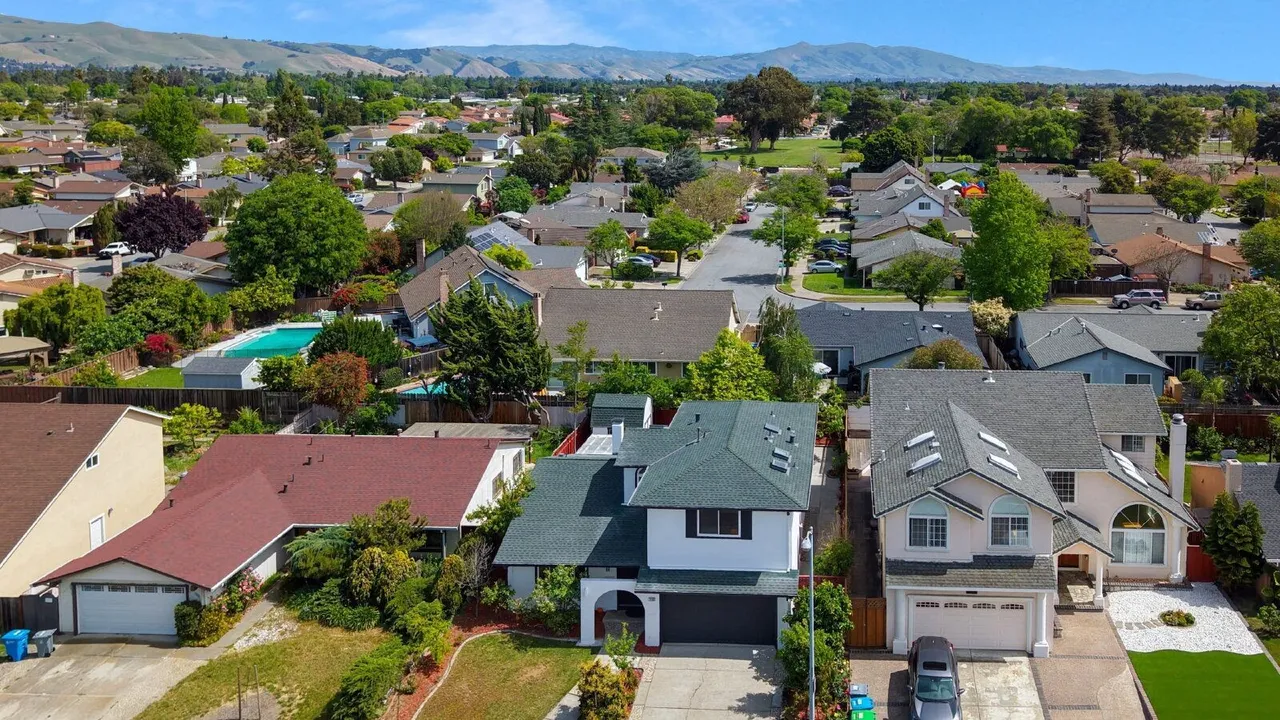
How Union City Stands Apart in the Bay Area
While neighboring jurisdictions are famous for their rent registries, Union City stands apart due to its hyper-strict mandatory disclosure traps. In most California cities, if you need to serve a basic rent increase or a 3-Day Notice to Pay Rent or Quit, you simply hand the tenant the state-mandated form. In Union City, doing so will guarantee your notice is legally void. Under Chapter 5.55, landlords are legally required to provide a formal “Notice of Availability of Rent Review” when issuing any rent increase, regardless of the percentage. Furthermore, under Chapter 5.50, landlords must provide a specific “Notice of Tenant Rights” at the inception of a lease, upon any renewal, and most critically, attached directly to any notice of termination. Failure to include these specific municipal disclosures renders your actions defective on their face.
The Two Pillars: AB 1482 vs. Union City Chapter 5.50
The biggest mistake Union City landlords make is confusing the rules of statewide rent control with the city’s local ordinances. They are two distinct pillars of law that govern your property simultaneously, and you must comply with both.
Pillar 1: Rent Review and the AB 1482 Ceiling
Unlike its neighbors, Union City does not have a strict local percentage cap on rent increases; instead, it relies on a mandatory Rent Review mediation process. If a landlord increases the rent by more than seven percent—or if multiple increases in a twelve-month period exceed seven percent—the tenant has the right to force the landlord into a formal mediation process. While the recommendations from this mediation are technically non-binding, landlords must still obey the statewide California Tenant Protection Act of 2019 (AB 1482). Under AB 1482, your annual rent increase is strictly capped at five percent plus the regional Consumer Price Index, or a hard ceiling of ten percent, whichever is lower. Therefore, you must navigate both the local mediation triggers and the strict state caps simultaneously.
Pillar 2: Eviction Control (Chapter 5.50 Just Cause)
Even if you navigate the rent increase rules perfectly, you are still bound by Union City’s strict eviction controls. You cannot terminate a tenancy simply because a lease expires or because you want a new tenant. To legally recover possession of your property, you must plead and prove one of the specific “Just Causes” enumerated in Union City Municipal Code Section 5.50.040.

The Union City “Just Causes” for Eviction (And The Traps Within)
Under Section 5.50.040, a landlord cannot recover possession of a rental unit unless they can establish an At-Fault or No-Fault Just Cause.
“At-Fault” Evictions (The Tenant Did Something Wrong)
These evictions stem from a tenant’s direct breach, such as non-payment of rent, committing a severe health and safety code violation, or using the property for an illegal purpose such as the unlawful distribution of controlled substances. However, landlords must beware of the lease extension trap. Union City includes a unique provision allowing a landlord to evict a tenant if the tenant refuses to execute a written extension of an existing rental agreement. While this sounds favorable to property owners, attempting to enforce this without demonstrating that the new lease terms are materially identical to the old ones will instantly trigger harassment claims from defense attorneys.
“No-Fault” Evictions (You Need the Property Back)
If the tenant has done nothing wrong, reclaiming your property is highly restricted. The permitted no-fault causes include taking the unit off the market entirely, undertaking substantial permitted renovations, or returning to the unit after a deployment with the United States Armed Forces. Executing any no-fault eviction in Union City requires exhaustive documentation. Furthermore, if you remove the unit from the market but decide to rent it out again within a five-year period, Union City law dictates that you must explicitly offer the right of first return to the displaced tenant, provided they gave you a forwarding address.
The Union City Unlawful Detainer Roadmap
When negotiations fail, property owners must navigate the Alameda County Superior Court system to reclaim their property. Below is the standard procedural roadmap for a Union City eviction.
Step 1: Drafting and Serving the Termination Notice
A standard California eviction form printed from the internet will automatically fail in Union City. Your notice must explicitly state the specific Chapter 5.50 Just Cause you are alleging. Critically, the notice must be physically accompanied by the mandatory Union City “Notice of Tenant Rights.” Without this exact municipal disclosure attached to your 3-Day or 60-Day notice, your eviction is dead on arrival.
Step 2: Ensuring Absolute Code Compliance
Serving the tenant is only effective if you have maintained absolute compliance with the municipal code throughout the entirety of the tenancy. Before filing a lawsuit, we must audit your property records to ensure that the tenant received their initial Notice of Tenant Rights at move-in and that any prior rent increases included the Notice of Availability of Rent Review. Any historical defect in these disclosures can be weaponized by defense attorneys to derail your current eviction.
Step 3: Filing the Unlawful Detainer Complaint (UD-100)
Once the notice period expires, the formal lawsuit begins. You must draft and file a Summons (SUM-130) and an Unlawful Detainer Complaint (UD-100) at the Alameda County Superior Court, typically routed to the Hayward Hall of Justice or the René C. Davidson Courthouse in Oakland. The complaint must explicitly plead compliance with Union City Chapter 5.50, proving that you have adhered to all notice requirements and mandatory disclosures. Once the court issues the Summons, a registered process server must physically serve the tenant.
Step 4: The Tenant’s Answer and Requesting a Trial
Under California law, a tenant has exactly five court days to respond to the lawsuit after being served. In Alameda County, tenants are swiftly connected with aggressive, highly funded legal aid organizations that will immediately file a formal Answer (UD-105). Once the Answer is filed, the landlord must immediately file a Request to Set Case for Trial (UD-150) to force the court to schedule a trial date.
Step 5: Securing the Writ and the Sheriff Lockout
If you secure a Judgment for Possession at trial, you must take that judgment to the court clerk to issue a Writ of Execution. You then deliver this Writ to the Alameda County Sheriff’s Office, who will post a final 5-day Notice to Vacate on the property. If the tenant refuses to leave, the Sheriff will return to physically perform the lockout and restore possession to you.
The Reality of Modern Union City Evictions
The roadmap above represents the easiest possible scenario—a straight line from a notice to a lockout. In modern East Bay real estate litigation, that straight line almost never exists.
Because tenants are heavily represented by skilled defense attorneys, your lawsuit will immediately be met with aggressive stalling tactics. Tenants will file Demurrers or Motions to Quash to challenge the technical validity of your complaint. They will propound heavy legal discovery requiring you to produce years of property records under tight deadlines. Furthermore, Chapter 5.50 contains severe anti-harassment provisions. If an attorney successfully argues that your eviction attempt was retaliatory, or that you violated the strict communication protocols of the municipal code, you can be sued for actual and punitive damages.
To deal with these aggressive intricacies, you cannot rely on generic advice or standard state forms. You need dedicated, strategic legal counsel fighting for your property rights.